
Using Nature to Fight Nature: Advancing Biocontrol for Poison Hemlock Management
Managing invasive and noxious weeds is one of the greatest ongoing challenges facing land managers across the western United States.
Species like poison hemlock threaten native ecosystems, agricultural lands, public safety, and utility corridors. While traditional control methods such as herbicide application and mechanical removal remain important tools, land managers are increasingly looking toward integrated, sustainable solutions to reduce long-term impacts.
At PMG Vegetation Services, we believe that innovation and collaboration are key to effective vegetation management. That’s why we’ve been actively exploring the use of biological control (biocontrol), leveraging natural plant predators to help suppress invasive species.
In early June 2025, PMG played a central role in an exciting biocontrol project focused on poison hemlock, demonstrating how nature itself can be part of the solution.
Understanding Poison Hemlock
Poison hemlock (Conium maculatum) is a highly invasive and toxic plant that has spread throughout most of the United Sates. It poses serious risks to humans, livestock, wildlife, and native plant communities. Its aggressive growth allows it to outcompete desirable vegetation, and its toxic properties make it especially problematic along trails, utility corridors, waterways, and public lands.
Traditional management methods can be effective and often require repeated treatments over multiple seasons. This is where biocontrol can provide meaningful, long-term support as part of an integrated weed management strategy.

Biocontrol in Action
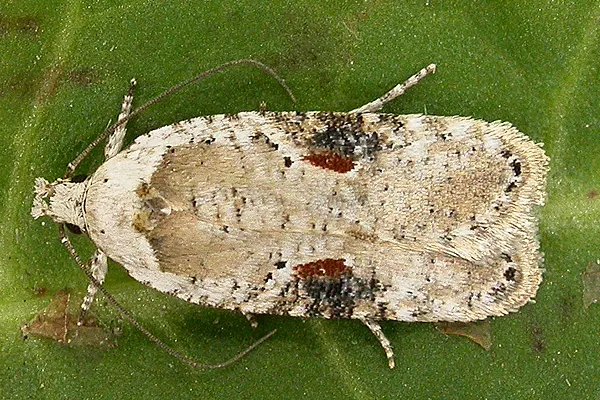
Biocontrol involves the use of natural enemies (like insects)that specifically target invasive plants. In this case, the focus was on the poison hemlock moth (Agonopterix alstromeriana), a species whose larvae feed almost exclusively on poison hemlock.
The larvae defoliate the plant by eating its leaves, which:
Reduces the plant’s ability to photosynthesize
Limits seed production and reproduction
Weakens or, in some cases, kills individual plants
When established in healthy populations, poison hemlock moths can significantly reduce the density and vigor of hemlock infestations over time.
PMG was excited to discover a robust population of poison hemlock moths on PacifiCorp property in Cache County. This discovery created an opportunity to support weed management efforts far beyond a single site.
PMG’s Role in a Multi-State Biocontrol Effort
PMG served as a representative for PacifiCorp, helping to transform this local moth population into a regional resource for weed control.
PMG’s contributions included:
Identifying prospective moth collection sites
Coordinating access to PacifiCorp-managed property
Assisting with planning and logistics for the collection event
Supporting collaboration among multiple agencies and stakeholders
The collection event took place in early June 2025 and was conducted as part of PacifiCorp’s participation in the Northern Utah Cooperative Weed Management Area (NUCWMA).


Collaboration Through NUCWMA
The Northern Utah Cooperative Weed Management Area (NUCWMA) plays a vital role in regional weed control by bringing together public agencies, private organizations, and land managers.
By pooling expertise, resources, and access to land, the group was able to amplify the impact of a single biocontrol population across multiple states and counties.
You can learn more about NUCWMA and its initiatives at nucwma.com.
A Successful Collection Day
The collection effort was led by Amber Mendenhall, a Biocontrol Specialist with the Utah Weed Supervisors Association (UWSA). Working in collaboration with PMG's Restoration Biologist, Sydney Southers. All participants were trained on best practices for collecting and handling the moth larvae to ensure their survival and effectiveness after redistribution.
The event brought together participants and volunteers from a wide range of organizations, including:
Box Elder County
U.S. Forest Service (USFS)
Cache County
Davis County
PMG Vegetation Services & PacifiCorp
By the end of the day, the team successfully collected approximately 6,000 biocontrol agents (that the moths!).

Regional Impact Across the West
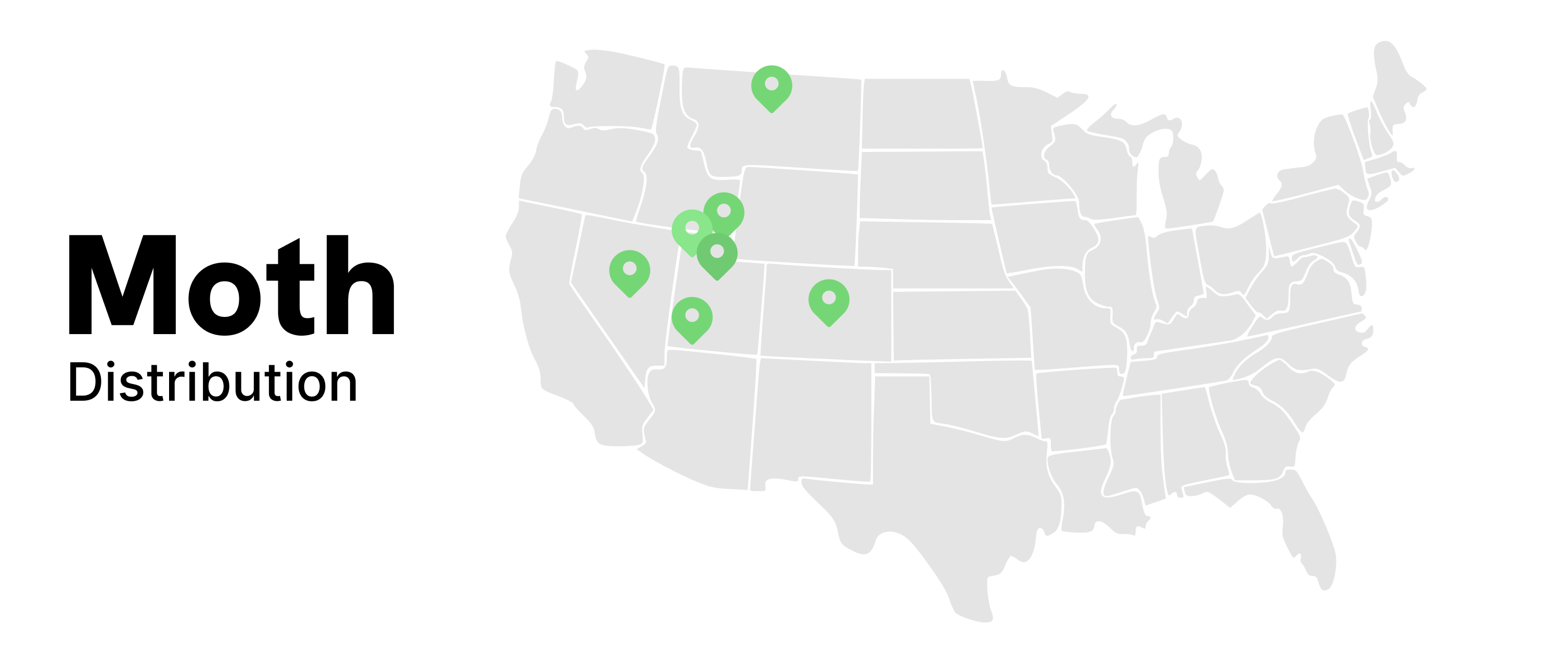
Once collected, the biocontrol agents were redistributed to support poison hemlock management efforts in a wide range of locations, including:
Montana
Colorado
Nevada
St. George, Utah
Kane County, Utah
Cache County, Utah
Box Elder County, Utah
Davis County, Utah
This redistribution ensures that multiple land management entities can benefit from natural, sustainable weed control, reducing reliance on chemical treatments and supporting healthier ecosystems.
Why Biocontrol Matters for the Future
Biocontrol is not a fix-all solution, but when used responsibly and in coordination with the necessary parties, it is a powerful tool in long-term vegetation management. Projects like this demonstrate:
Integrated vegetation management can reduce long-term costs
Collaboration improves outcomes across jurisdictions
Natural systems can help restore balance when guided by science
At PMG, we are committed to staying at the forefront of these approaches. Whether working with utilities, municipalities, or landowners, we strive to combine innovation, stewardship, and field expertise to deliver results.
Moving Forward
This poison hemlock biocontrol project reflects PMG’s broader commitment to proactive, science-based vegetation management. By partnering with organizations like PacifiCorp, NUCWMA, and regional agencies, we’re helping build solutions that extend far beyond individual properties.
We look forward to continuing this work and to exploring new ways nature itself can help solve some of our toughest land management challenges.